Hair often shows signs when it needs more moisture and conditioning than a regular conditioner can provide. Recognizing these signs early can help support healthier-looking hair and improve manageability.
Persistent Dryness
Hair that feels rough, brittle, or straw-like may benefit from a hair mask for dry damaged hair. When hair struggles to retain moisture, it can become more difficult to style and may lose some of its natural softness and shine.
Increased Frizz and Tangles
Frizz, flyaways, and frequent tangles can be signs that the hair cuticle needs additional moisture and support. A hydrating hair mask is often used to help improve smoothness and make hair easier to manage between washes.
Breakage and Visible Damage
Hair exposed to heat styling, color treatments, or environmental stress may become more prone to breakage and split ends. Using a restorative hair mask as part of a regular routine can help support moisture balance and improve the overall appearance of damaged hair. Paying attention to these signs can help you determine when it may be time to add a deeper conditioning treatment to your routine.
What Causes Hair Damage?
Hair damage is often caused by a combination of daily habits, environmental exposure, and moisture loss. Understanding the source of the damage can help you choose the best hair mask for damaged hair and build a more effective care routine.
- Heat Styling: Frequent use of blow dryers, curling irons, and flat irons can reduce moisture in the hair and contribute to dryness, brittleness, and breakage over time.
- Color and Chemical Treatments: Hair coloring, bleaching, and other chemical processes can affect the hair cuticle, making strands more vulnerable to dryness and damage.
- Environmental Stress: Sun exposure, wind, pollution, and changing weather conditions can gradually impact hair health and contribute to a rougher, less manageable texture.
- Lack of Moisture: Hair that does not receive enough hydration may become dry, frizzy, and more prone to tangles. This is one reason many people add a hydrating hair mask to their routine.
Understanding what contributes to hair damage can make it easier to choose products and habits that support healthier-looking hair over time.
Key Ingredients in a Hydrating Hair Mask
The best hair mask for damaged hair often combines moisturizing ingredients with nutrients that help support softness, manageability, and overall hair health. Different ingredients serve different purposes, which is why understanding a formula can help when choosing a treatment.
Shea Butter and Nourishing Oils
Shea butter is commonly used in hydrating hair mask formulas because it helps support moisture retention and reduce the appearance of dryness. Oils such as macadamia oil, jojoba oil, sweet almond oil, grapeseed oil, and flaxseed oil are also frequently included to help soften the hair and improve manageability.
MSM and Hair-Supporting Vitamins
MSM, biotin, niacin, vitamin E, and vitamin C are often included in restorative hair mask formulas. These ingredients are commonly used in products designed to support stronger-looking hair, improve shine, and help maintain healthier-looking strands over time.
Aloe Vera and Botanical Ingredients
Aloe vera, horsetail extract, rosemary extract, and other botanical ingredients are commonly used in hair care products to help support moisture balance and overall hair condition. These ingredients are often paired with richer moisturizers to create a more balanced treatment experience. Knowing which ingredients are commonly found in a hydrating hair mask can help you choose a formula that aligns with your hair's specific needs.
How Often Should You Use a Hair Mask for Damaged Hair?
Most people use a hair mask for damaged hair once per week, although the ideal frequency can vary depending on hair condition and styling habits. Hair that is dry, brittle, or frequently exposed to heat may benefit from more consistent deep conditioning than hair with minimal damage. People with dry, damaged hair often use a weekly hair mask treatment to help maintain moisture and manageability 6Y. Regular use can help support softness, reduce frizz, and improve the overall appearance of the hair without replacing a daily conditioner.
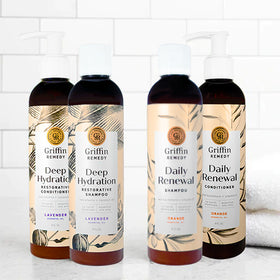
It is also important to balance moisture with your overall hair care routine. Using a hydrating hair mask alongside appropriate shampoos and conditioners can help create a more consistent approach to caring for damaged hair. The Deep Hydration Conditioner is one option to consider pairing with a weekly mask treatment for a more complete moisture-focused routine. The right schedule is often the one that helps your hair feel moisturized, manageable, and healthy without becoming weighed down.
Choosing the Right Hair Mask for Your Hair Concerns
The best hair mask for damaged hair depends on the type of damage you are trying to address. While all hair masks focus on hydration and conditioning, some formulas are better suited for repair, while others are designed for maintenance and ongoing moisture support.
- For heat-damaged or brittle hair: Hair that feels rough, weak, or overprocessed from styling tools may benefit from a restorative hair mask designed to provide deeper conditioning and moisture support. Treatments formulated for damaged hair are often used to help improve softness, shine, and manageability. The Restorative Hair Mask is one option designed to provide deeper conditioning for hair that feels rough, weak, or overprocessed.
- For dry hair that needs regular hydration: A hydrating hair mask can be a good option for hair that lacks moisture but is not severely damaged. These treatments are often used to help reduce frizz, improve smoothness, and maintain healthy-looking hair. The Vitalizing Hair Mask is formulated for ongoing moisture support and can be a good fit for hair that needs regular hydration without intensive repair.
- For color-treated hair: Color-treated hair often benefits from regular deep conditioning because chemical processing can increase dryness. Weekly moisture-focused treatments can help support softness and enhance shine between salon visits.
- For scalp-related concerns: If dryness or discomfort extends beyond the hair and affects the scalp, it may be helpful to pair a hair mask with products specifically designed for scalp care. Addressing both hair and scalp needs can help create a more balanced routine.
Choosing a treatment that matches your specific concerns can help you get the most value from your hair care routine while supporting healthier-looking hair over time. You can browse the full range of available treatments in the Hair Care Collection to find options that fit your hair type and conditioning goals.