A restorative shampoo is formulated to repair hair that's already been damaged, not just clean it. Where a standard shampoo focuses on removing dirt and oil, a restorative formula is designed to address brittleness, breakage, and the loss of softness caused by heat styling, chemical treatments, or ongoing environmental stress.
Why Damaged Hair Needs A Different Approach
Hair that's been through color treatments, bleaching, or regular heat styling loses its natural protective layer over time. Once that happens, a regular shampoo can actually make things worse, stripping away what little natural moisture is left. Restorative shampoo works differently by delivering intensive hydration while gently cleansing, so it repairs rather than depletes.
The Ingredients That Make It Work
Shea butter penetrates the hair shaft, delivering vitamins A and E and essential fatty acids, forming a protective layer that seals in moisture. Macadamia nut oil contains palmitoleic acid, the same fatty acid your scalp naturally produces, allowing it to absorb quickly and restore softness without leaving a residue. Together, these ingredients target the two main issues behind damaged hair: moisture loss and a weakened protective barrier.
Who Should Use A Restorative Shampoo
If your hair snaps easily, feels rough to the touch, or looks dull no matter what you do, you might be dealing with damage, and a restorative shampoo can help.
Color-Treated or Chemically Processed Hair
Bleaching, highlighting, and chemical straightening all compromise the hair's structure. A deep hydration shampoo can help restore moisture balance and reduce further breakage.
Heat-Styled Hair
Frequent heat styling can damage hair. Restorative formulas help replenish lost moisture and may improve hair's resilience with consistent use.
Dry, Brittle or Frizzy Hair
If your hair feels like straw or frizzes uncontrollably, it's dehydrated. Restorative shampoos with shea butter and macadamia oil help smooth the hair surface and improve moisture retention.
Hair Exposed to Hard Water or Environmental Stress
Mineral deposits and pollution can affect hair structure. Clarifying first, then following with a restorative shampoo, removes buildup and helps rebuild smoothness.
Best Restorative Shampoo To Strengthen Damaged Hair
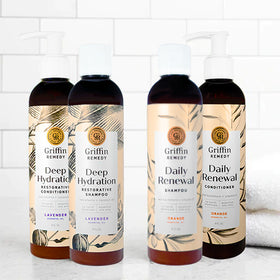
We formulated our Restorative Shampoo specifically for chronically dry, damaged hair that needs more than surface-level care. It's built around sea buckthorn, a nutrient-dense botanical packed with antioxidants and omega fatty acids that help restore moisture and flexibility.
The formula is sulfate-free, so it won't strip your hair further. Instead, it gently cleanses while aloe vera soothes the scalp, and plant oils condition the hair shaft. No parabens. No artificial fragrance. Just clean, functional ingredients that work.
Why Natural Ingredients Matter in Restorative Formulas
Some conventional surfactants may be drying for fragile hair. Natural oils like macadamia and shea butter help improve softness and manageability, delivering long-term conditioning benefits.
Our Restorative Line Includes Matching Treatments
Pair our shampoo with the Restorative Hair Mask for intensive weekly care, or use the Daily Renewal Conditioner for everyday moisture maintenance. Both are formulated to work together without weighing hair down.
Pairing Restorative Shampoo With The Right Conditioner
Shampoo cleanses and begins conditioning. Conditioner seals it in. Using them together accelerates improvement and protects hair from future damage. For a full look at what works best alongside a Deep Hydration Restorative Shampoo, pairing it with the right conditioner is where real restoration begins.
Why Conditioner Is Essential for Damaged Hair
Shampoo uses surfactants to remove oil, dirt, and buildup. Conditioner deposits conditioning agents that smooth the hair surface, reduce friction, and help hair feel softer and easier to detangle. Skipping conditioner leaves hair vulnerable to breakage.
Browse our Natural Conditioner Collection to find the right match for your hair type and damage level.
Match Your Conditioner to Your Hair's Needs
If your hair is severely damaged, use our Deep Hydration Restorative Conditioner or Hair Mask. If it's moderately dry, the Daily Renewal Conditioner with shea butter and macadamia oil may be sufficient. For fine, damaged hair, stick with lighter formulas to avoid weighing hair down.
How To Use Restorative Shampoo For Maximum Benefits
Using restorative hair shampoo correctly makes a difference. Here's how to get the most conditioning out of every wash:
Wet Hair Thoroughly Before Applying
Wet hair thoroughly with lukewarm water to help distribute shampoo evenly and loosen oil and residue.
Apply a Small Amount and Focus on the Scalp
A quarter-sized amount is enough for most hair lengths. Massage into the scalp first—this is where oil buildup happens. The shampoo will cleanse the rest of your hair as you rinse.
Follow Product Directions
Follow the product label directions. Allowing the shampoo to remain briefly on the scalp and hair may improve cleansing and ingredient contact, though most conditioning benefits usually come from conditioner or mask products.
Rinse Thoroughly, Then Condition
Leave no residue. Follow immediately with conditioner from mid-length to ends. Leave conditioner on for 2–3 minutes before rinsing.
Limit Heat Styling and Protect When You Do
Air-dry when possible. If you must use heat, the American Academy of Dermatology recommends using lower heat settings and reducing the frequency of blow-drying. Apply a natural leave-in treatment first to help create a protective barrier.
Shop Griffin Remedy Restorative Shampoo To Revitalize Your Hair Today
If your hair feels brittle, tangles easily, or has lost its natural softness from heat styling or chemical treatments, it's time for a shampoo for damaged dry hair built to repair, not just cleanse. Griffin Remedy's Deep Hydration Restorative Shampoo is formulated with shea butter and macadamia nut oil to deliver intensive moisture, reduce breakage, and restore softness and elasticity to dry, damaged, or chemically-treated hair.
It's sulfate-free and gently cleanses without stripping natural oils, while lavender essential oil soothes any scalp irritation along the way. Safe for color-treated, permed, or relaxed hair, it's available in 8oz, 32oz, and gallon sizes to fit however you build it into your routine.
Pair it with the matching Restorative Conditioner for a complete system, or explore our full Hair Care Collection and start giving damaged hair the repair shampoo natural solution it needs.