



Key Takeaways:
- Proper Application: Applying a hair mask to clean, damp hair and focusing on the mid-lengths and ends helps ensure even coverage.
- Timing Matters: Following the recommended application time can help you get the intended conditioning benefits without unnecessary product buildup.
- Routine Counts: Using a hair mask at a frequency that matches your hair type can help maintain moisture, softness, and manageability over time.
Have you ever wondered if you're using a hair mask the right way? Applying too much product, leaving it on for too long, or rinsing it out too soon can affect the results. Understanding how to use a hair mask properly can help you get the most from your hair care routine.
At Griffin Remedy, we believe ingredients matter and that healthy hair starts with a consistent, clean hair care ritual. Our function-forward formulas are thoughtfully developed to address different hair concerns, giving us the experience to share practical guidance on caring for your hair.
In this piece, we'll explain how to use a hair mask, walk through the essential hair mask application steps, discuss how long to leave a hair mask in, and answer how often you should use a hair mask so you can build a routine that suits your hair's needs.

Why Should You Use a Hair Mask?
A hair mask is designed to provide deeper conditioning than a daily conditioner. It helps deliver concentrated moisture and nourishing ingredients to the hair, making it a useful addition to a regular hair care routine.
Restore Moisture
Hair masks are commonly used to replenish moisture in dry or dehydrated hair. Ingredients such as shea butter, macadamia seed oil, panthenol, and botanical extracts help support hydration, improve softness, and reduce the appearance of frizz while leaving hair feeling smoother.
Improve Manageability
Deep conditioning treatments can help make hair easier to detangle while improving softness and shine. Regular use may also help reduce frizz, making hair more manageable during everyday styling.
Support Hair Exposed to Heat or Color
Heat styling, color treatments, and environmental stress can leave hair feeling dry or brittle. Using a hair mask as part of your routine can help replenish moisture and support healthier-looking hair between treatments.
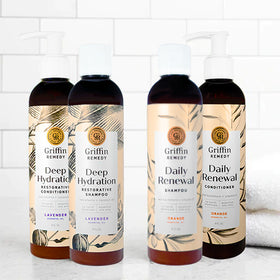
Adding a hair mask to your routine can help maintain moisture, improve manageability, and support hair that needs extra conditioning. Between weekly treatments, using a daily conditioner like the Deep Hydration Restorative Conditioner can help maintain hydration as part of your regular hair care routine.
How to Use a Hair Mask Step by Step
Knowing how to apply hair mask products correctly can help ensure the formula is distributed evenly and reaches the areas that need the most conditioning. Following a few simple hair mask application steps can help you get the most from each treatment:
- Shampoo Your Hair First: Start by washing your hair to remove excess oil, dirt, and product buildup. A clean surface allows the hair mask to be applied more evenly.
- Remove Excess Water: Gently squeeze or towel-dry your hair until it is damp rather than soaking wet. This helps prevent excess water from diluting the product.
- Apply from Mid-Lengths to Ends: Apply the hair mask evenly through the mid-lengths and ends, where hair is often the driest or most damaged. If you have fine or oily hair, avoid applying heavy amounts directly to the roots.
- Leave the Hair Mask On: Follow the directions for your chosen product. In general, most hair masks are left on for 5 to 10 minutes, while some formulas can be left on for 20 to 30 minutes for a more intensive conditioning treatment.
- Rinse Thoroughly: Rinse your hair with water until all of the product has been removed. This helps prevent residue while leaving your hair feeling soft and conditioned.
Following these hair mask application steps can help you apply the product more effectively and prepare your hair for the best possible results.

How Long Should You Leave a Hair Mask In?
How long to leave the hair mask in depends on the product you're using and the level of conditioning your hair needs. While leaving a mask on longer may provide deeper hydration for some formulas, it's generally best to follow the manufacturer's directions for the product you choose.
Many hair masks are designed to be left on for 5 to 10 minutes as part of a regular conditioning routine. Some intensive treatments can also be left on for 20 to 30 minutes to provide additional moisture and conditioning. For example, the Restorative Hair Mask can be used for 5 to 10 minutes during a standard treatment or up to 20 to 30 minutes for deeper conditioning.
Leaving a hair mask on longer than recommended does not always produce better results. Following the product's directions and using it consistently as part of your hair care routine can help you get the intended benefits while avoiding unnecessary product buildup.
How Often Should You Use a Hair Mask?
How often should you use a hair mask depends on your hair type, its condition, and how frequently it's exposed to heat styling or chemical treatments. Adjusting the frequency to your hair's needs can help provide moisture without weighing it down.
- Dry or Damaged Hair: Hair that is dry, brittle, or damaged from heat or color treatments may benefit from using a hair mask once a week. Weekly deep conditioning can help replenish moisture and improve manageability over time.
- Normal Hair: Hair that is generally healthy may only need a deep conditioning treatment every other week to help maintain moisture and softness. The Vitalizing Hair Mask is formulated as a maintenance treatment for hair that benefits from regular hydration rather than intensive repair.
- Fine or Oily Hair: Fine or oily hair may only need a hair mask once a month or as needed. Applying the product mainly to the mid-lengths and ends can help provide hydration without making the roots feel heavy.
Using a hair mask on a schedule that matches your hair's needs can help maintain moisture, softness, and manageability without over-conditioning.

Final Thoughts
Using a hair mask correctly can help you get the most from your hair care routine. Applying it to clean, damp hair, leaving it on for the recommended time, and using it at the right frequency can all contribute to softer, more manageable hair.
Keep in mind that every hair type has different needs. Dry or damaged hair may benefit from more frequent deep conditioning, while fine or oily hair may only need occasional treatments. Choosing a routine that matches your hair's condition can help maintain moisture without over-conditioning.
A hair mask works best as part of a consistent hair care ritual rather than a one-time treatment. Between deep conditioning sessions, a lightweight product like our Leave-In Treatment helps support moisture and manageability as part of your regular routine.
Frequently Asked Questions About Using a Hair Mask
How do you use a hair mask?
Apply a hair mask to clean, damp hair after shampooing, focusing on the mid-lengths and ends. Leave it on for the recommended time before rinsing thoroughly.
How often should you use a hair mask?
How often should you use a hair mask depends on your hair type and condition. Dry or damaged hair may benefit from weekly treatments, while normal or oily hair may need deep conditioning less frequently.
Should I apply a hair mask before or after shampooing?
Most hair masks are designed to be applied after shampooing so they can condition clean hair more effectively. Always follow the directions provided with your chosen product.
How long to leave the hair mask in?
Many hair masks are intended to remain on the hair for 5 to 10 minutes. Some intensive treatments can be left on for 20 to 30 minutes when the directions recommend a longer conditioning time.
How to apply a hair mask correctly?
Apply the product evenly to damp hair, concentrating on the mid-lengths and ends. If you have fine or oily hair, avoid applying large amounts directly to the roots.
Can I use a hair mask instead of conditioner?
Hair masks are intended to complement, not replace, a daily conditioner. They provide deeper conditioning and are typically used as part of a regular hair care routine alongside your conditioner.
Can I leave a hair mask on overnight?
Unless the product specifically states it is suitable for overnight use, it's generally best to follow the recommended application time. Leaving a hair mask on longer than directed does not always provide additional benefits.
Sources:
- Lourenço, A. M., et al. (2016). Human hair and the impact of cosmetic procedures: A review on cleansing and shape-modulating cosmetics. Cosmetics, 3(3), 26. https://doi.org/10.3390/cosmetics3030026
- Guzmán, E., Llamas, S., & Maestro, A. (2020). Physicochemical aspects of the performance of hair-conditioning formulations. Cosmetics, 7(2), 26. https://doi.org/10.3390/cosmetics7020026
- Dias, M. F. R. G. (2015). Hair cosmetics: An overview. International Journal of Trichology, 7(1), 2–15. https://doi.org/10.4103/0974-7753.153450

